EN

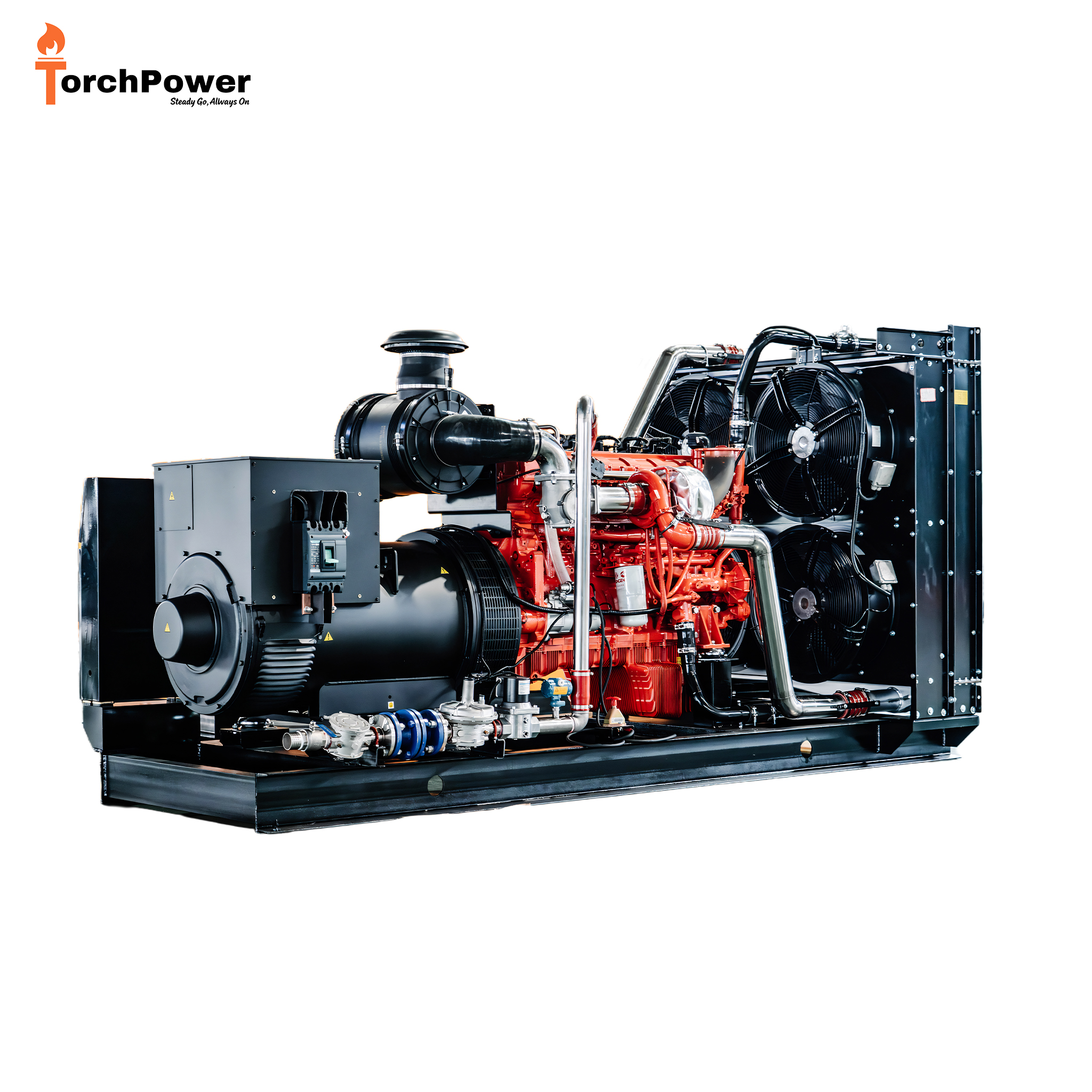
The Commercial Power Reliability Crisis
For commercial enterprise operators, corporate facility managers, and data center directors worldwide, electrical grid stability is no longer an asset to be taken for granted. Stepping onto modern commercial campuses, one quickly realizes that unpredictable grid fluctuations, severe weather anomalies, and rising peak-demand tariffs pose a continuous, compounding threat to everyday business continuity. A frequently asked question by procurement teams evaluating robust backup energy solutions is why commercial facilities are increasingly shifting away from traditional diesel systems toward advanced gas generator technology. The answer lies in a combination of strict environmental regulations, escalating uptime demands, and the urgent operational need for a reliable, seamless power supply that protects revenue streams and critical operations from catastrophic downtime. When commercial entities experience sudden grid failures, having a resilient, high-capacity power source becomes the ultimate line of defense against severe financial losses, data corruption, and operational gridlocks that damage customer trust over the long term.
Environmental and Fuel Efficiency Technical Advantages
When evaluating industrial power generation technologies from an environmental standpoint, gas-fueled systems offer a profound technical edge over legacy diesel generators. Natural gas burns significantly cleaner than traditional diesel fuel, producing substantially lower emissions of particulate matter, nitrogen oxides, and sulfur dioxide during continuous operation. According to industrial emissions research published by environmental protection agencies, shifting to a modern gas generator can reduce overall carbon dioxide output compared to equivalent diesel units operating under similar load profiles. Furthermore, advanced electronic fuel-metering systems optimize air-fuel ratios dynamically, maximizing thermal efficiency across varying load conditions. This cleaner combustion profile not only helps commercial facilities comply with stringent municipal air quality regulations and zoning laws but also aligns corporate operations with global sustainability goals, significantly reducing the facility environmental compliance burden while enhancing corporate social responsibility profiles across competitive international markets.
Continuous Fuel Supply and Logistics Resilience
One of the greatest operational vulnerabilities of traditional emergency power systems is fuel management during prolonged grid outages. Diesel generators rely heavily on on-site storage tanks, which are susceptible to fuel degradation, microbial contamination, and severe refueling bottlenecks during regional disasters when diesel supplies run dry or delivery routes are blocked. In stark contrast, gas generators connected directly to municipal utility pipelines enjoy an uninterrupted, continuous fuel supply that bypasses delivery logistics entirely. This inherent pipeline connectivity ensures that commercial facilities can operate indefinitely during extended power emergencies without dispatching fuel trucks, managing fuel replenishment schedules, or worrying about fuel spoilage, offering ultimate operational resilience and peace of mind for facility directors managing high-stakes environments.
Economic Value Proposition and Operating Cost Stability
Evaluating the financial viability of a commercial power system requires looking past initial acquisition costs to analyze long-term operational expenditure and return on investment. Natural gas pricing historically exhibits greater price stability compared to volatile diesel markets, protecting commercial facilities from sudden, unpredictable fuel cost spikes during geopolitical or economic shifts. Furthermore, because natural gas burns cleanly without leaving heavy soot, sludge, or carbon deposits inside the engine cylinders, mechanical wear is drastically reduced over time. Additionally, many businesses integrate these systems into combined heat and power applications, capturing waste heat to further amplify economic efficiency. This superior cleanliness translates directly to longer maintenance intervals, reduced oil change frequencies, and lower overall maintenance overhead for plant operators, optimizing the total cost of ownership over the extended equipment lifecycle and improving bottom-line profitability for enterprises.
Acoustic Dampening and Urban Zoning Compliance
Commercial facilities—ranging from corporate office parks and healthcare clinics to urban retail centers and educational institutions—frequently face strict municipal ordinances regarding noise pollution and spatial footprints. Legacy diesel generators are notoriously loud and bulky, often requiring expensive acoustic enclosures and restricted placement far away from main buildings. Modern commercial gas generators are engineered with advanced acoustic dampening technology and compact modular footprints, allowing them to operate quietly within strict urban zoning limits. This low-noise profile enables facilities to position backup power systems strategically close to critical electrical loads without disrupting building occupants, customers, patients, or neighboring businesses, ensuring seamless integration into densely populated metropolitan environments.
Engineering Excellence and Industrial Partnerships
Navigating the complexities of commercial power generation demands a manufacturing partner who combines advanced engineering expertise with uncompromised production standards. Torchpower leverages decades of precision manufacturing excellence, rigorous quality assurance protocols, and a globally optimized supply chain network to deliver customized gas generator systems engineered for maximum reliability, fuel efficiency, and regulatory compliance. Whether outfitting a mission-critical facility or upgrading a corporate backup power infrastructure, Torchpower provides the robust hardware, transparent engineering support, and supply chain reliability necessary to protect operations and drive sustainable commercial growth.