EN
EN

Navigating the Energy Transition With Cleaner Fossil Fuels
Across industrial manufacturing, remote utility setups, and commercial facilities globally, the ongoing global energy transition demands a delicate balance between uninterrupted power availability and aggressive carbon reduction targets. Practical field experience in power generation reveals that while renewable sources like solar and wind play vital long-term roles, their inherent intermittency requires reliable transitional backups. In this context, deploying a high-efficiency gas generator offers a pragmatic bridge toward lower carbon operations. Compared to traditional diesel-fueled alternatives, natural gas combustion yields significantly lower sulfur dioxide, particulate matter, and carbon dioxide emissions per kilowatt-hour produced. By adopting cleaner-burning gaseous fuels, facilities can immediately lower their overall environmental footprint without sacrificing the dependable baseline power needed for continuous heavy industrial operations, ensuring seamless multi-shift productivity across diverse geographical regions. Furthermore, establishing clear standard operating documentation helps bridge communication gaps among multicultural teams, ensuring seamless knowledge transfer during shift handovers and daily commercial production cycles. Fostering a continuous learning mindset ensures that shop floor teams stay fully adaptable to evolving power formats, changing regulatory compliance benchmarks, and high-speed energy demands without compromising overall line safety. Additionally, proper site planning prevents operational bottlenecks and optimizes overall facility throughput and commercial facilities.
Advanced Combustion Dynamics and Emission Reduction
Achieving meaningful environmental compliance requires rigorous engineering control over internal combustion dynamics, air-fuel mixing ratios, and exhaust gas treatment. Advanced technical assessments indicate that modern gaseous-fueled engines utilize precision electronic fuel injection and advanced turbocharging to optimize thermal efficiency while curbing harmful greenhouse gas outputs. Furthermore, state-of-the-art lean-burn technology helps lower combustion chamber temperatures, which drastically reduces nitrogen oxide generation at the source. Beyond standard natural gas, many modern systems demonstrate remarkable versatility by supporting alternative gaseous fuels such as biogas, propane, and low-blend hydrogen mixtures. This fuel flexibility empowers commercial operators to progressively decarbonize their power generation loops as renewable gas supplies expand worldwide, ensuring long-term adaptability to tightening environmental regulations and shifting global sustainability standards. Comprehensive instruction on sensor calibration, electrical safety, and mechanical adjustments further reinforces technical proficiency across all working groups, minimizing human error and eliminating unnecessary fuel waste during daily generation cycles.
Reliability Benchmarks and Regulatory Compliance
International energy authorities and environmental protection guidelines consistently emphasize that backup and primary power units must adhere to strict operational benchmarks to guarantee grid stability and environmental safety. A reactive approach to power management—relying on outdated or poorly maintained equipment—frequently leads to regulatory penalties and costly unexpected outages during critical demand peaks. Instead, high-performing facilities integrate advanced gas generator systems equipped with automated control panels, rapid load-stepping capabilities, and continuous emission monitoring systems. These technological features allow operators to track real-time performance metrics, verify compliance with local air quality mandates, and guarantee instant emergency response when grid failures occur. Establishing these disciplined operational routines safeguards facility compliance and maintains high standards of power reliability across sensitive commercial environments while extending overall asset longevity across multi-shift factory floors. Regular diagnostic checks further ensure uninterrupted power delivery and complete protection against unexpected operational disruptions.
Balancing Low Carbon Footprint With Economic Scalability
In competitive manufacturing and commercial markets, achieving sustainable operations must align with sound financial management and long-term economic scalability. Pushing power generation equipment beyond optimal load ranges or ignoring fuel efficiency gains can quickly erode the operational cost savings associated with low carbon initiatives. True operational excellence requires evaluating total lifecycle costs, including fuel consumption rates, maintenance intervals, and potential carbon tax mitigations. Gaseous fuels typically offer cleaner burning properties that regulate internal engine wear, minimize oil degradation, and extend maintenance service cycles compared to heavy fuel oils. This reduction in routine upkeep translates directly into lower operating expenses, allowing businesses to reinvest capital into core growth activities while successfully meeting corporate sustainability mandates and fostering a strong culture of workplace accountability across all departments and operational tiers.
Driving Long-Term Value Through Advanced Manufacturing Partners
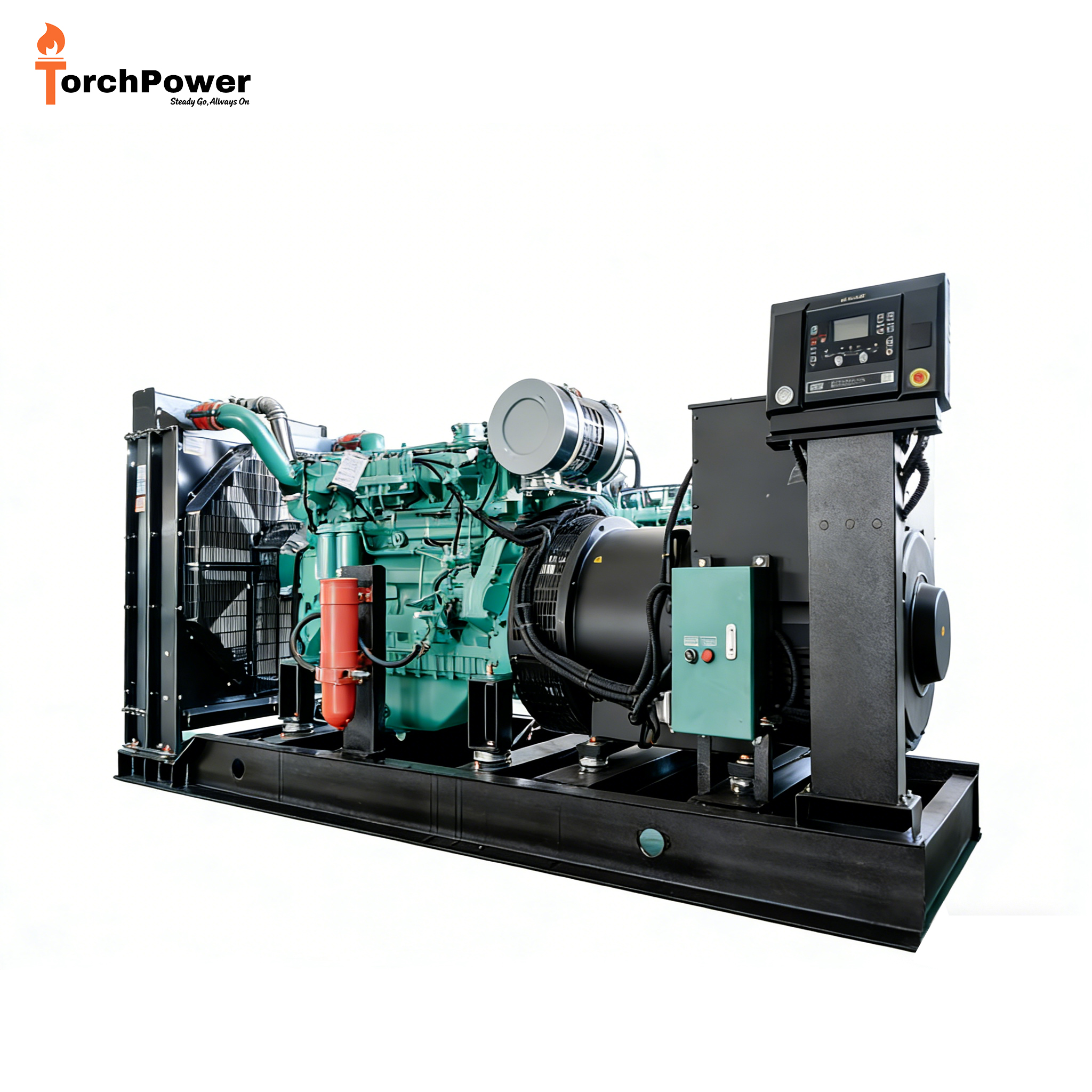
Ultimately, integrating a gas generator into a low carbon energy strategy bridges the gap between sophisticated industrial engineering and practical, day-to-day facility execution. Achieving this high standard of clean, reliable power generation relies on robust, precision-built machinery from established industry manufacturers who understand global regulatory frameworks and complex supply chain requirements. Torchpower provides high-performance power generation systems, such as advanced gas generator units equipped with intelligent controls, low-emission combustion chambers, and durable heavy-duty alternators, built to strict international quality benchmarks. Backed by solid manufacturing capacity, rigorous quality testing protocols, and dependable supply chain support, Torchpower helps global partners scale their green energy operations smoothly, ensuring long-term efficiency, reduced environmental risks, and strong market competitiveness across international territories. Furthermore, localized technical assistance and custom engineering consultations ensure optimal generator sizing and seamless long-term integration for diverse industrial applications.