Hybrid Wind-Solar Generation: Combines complementary wind and photovoltaic systems to overcome limitations of single energy sources, providing stable power in all weather conditions.
Mobile & Rapid Deployment: Equipped with dedicated mobile base, tires, and towing structure. Can be towed by vehicle for rapid relocation without fixed installation.
Compact Folding Design: Photovoltaic panels fold and wind turbine mast raises/lowers, significantly reducing transport volume for cost-effective relocation.
Safe & Reliable: High-performance battery cells with multiple safety protection circuits. Adaptive protection for wind turbine and photovoltaic systems.
Eco-Friendly Operation: Zero fuel consumption, zero exhaust emissions, and no noise pollution - fully clean energy power generation.
Wide Application Range: Powers various 220V electrical devices for outdoor construction, emergency rescue, field exploration, and remote area residential use.
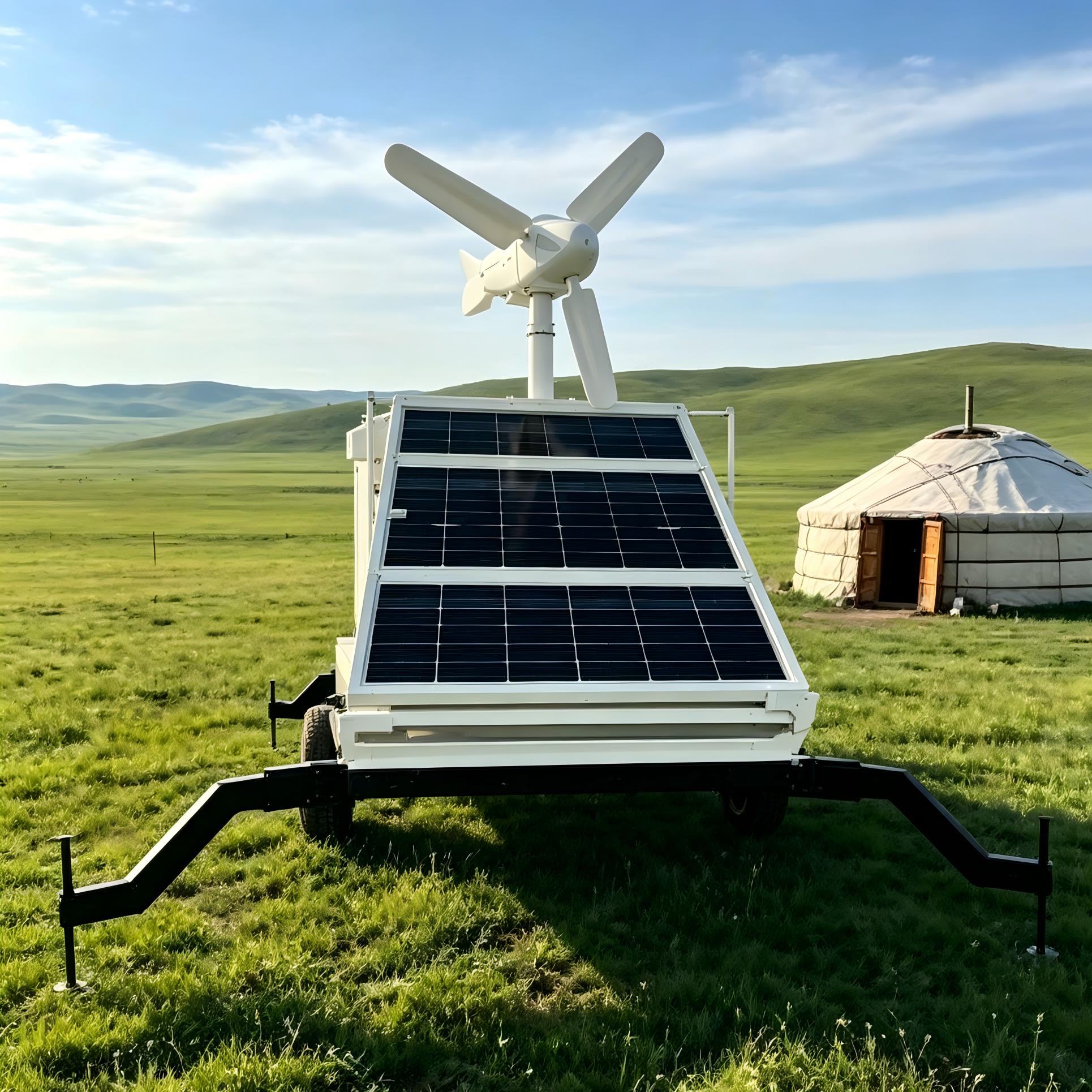
The TorchPower User Side Energy Storage System is an integrated mobile power supply unit combining wind power generation, photovoltaic power generation, and an energy storage system. Featuring foldable photovoltaic panels, a height-adjustable wind turbine mast, and a towable mobile base, this system operates independently without external grid connection.
Using clean wind and solar energy, the system generates and stores electricity to provide a stable 220V AC output. With convenient mobility, rapid deployment, environmental protection, and all-weather power generation capability, it is ideal for field operations, emergency power supply, outdoor camping, temporary power in remote areas, and uninterrupted power for construction work.
Figure 1: Fully Deployed System - Wind Turbine Raised & Solar Panels Extended

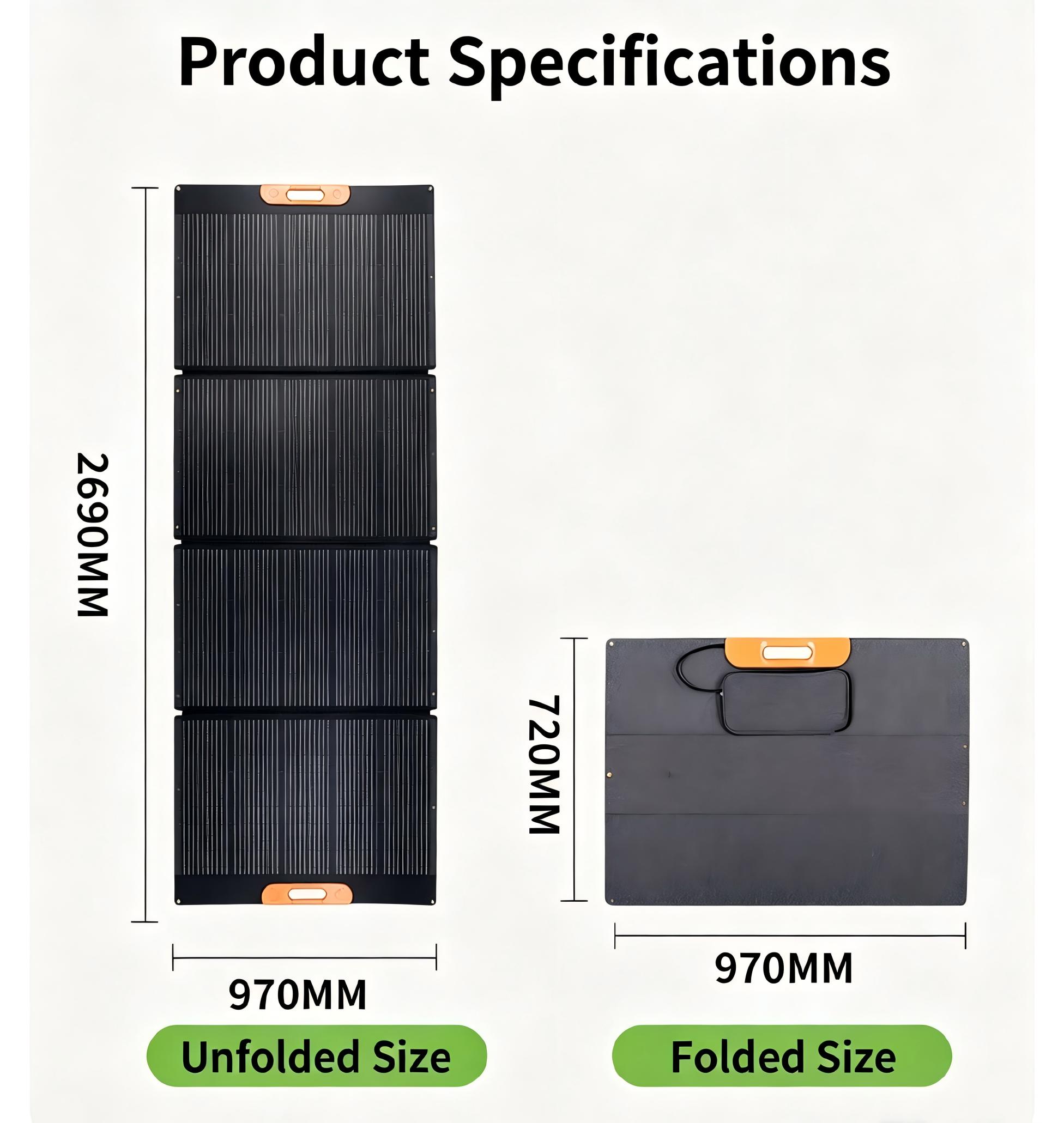
Figure 2: Transport Mode - Compact Folded Configuration for Easy Towing

Parameter |
Specification |
Energy Storage Capacity |
8.8 kWh (Sodium-ion cells) |
Output Voltage |
220 V AC |
Output Power |
3.5 kW |
Configuration |
Foldable PV panels + Height-adjustable wind turbine mast + Towable mobile base |
Operating Environment |
Normal operation at 3,000-4,000 m altitude, -30°C ambient temperature |
Dimension |
Value |
Deployed Width |
3.92 m |
Deployed Height |
1.9 m (ground to highest point of PV panels) |
Tilt Angle |
30° |
Folded Width |
1.35 m |
Dimension |
Value |
Mast Length (Lowered) |
2.83 m (ground to mast, excluding turbine head) |
Total Mast Length (Raised) |
3.83 m |
Total Rotor Height Above Ground |
4.9 m |
Dimension |
Value |
Base Height |
0.58 m (ground to main base structure) |
Overall Width |
2.05 m |
Overall Length |
3.5 m |
Support Leg Height Range |
0-550 mm |
Parameter |
Specification |
Rated Power |
500 W |
Turbine Type |
Three-bladed horizontal-axis wind turbine |
Control Method |
Automatic yaw |
Speed Increase Ratio |
3:1 |
Braking Method |
Electromagnetic + mechanical braking (automatic) |
Maximum Rotor Speed |
120 rpm |
Operating Wind Speed Range |
2-12 m/s; automatic braking protection outside range |
Operating Characteristics |
Low wind speed start-up; adaptive high wind protection; stable all-weather wind energy capture |
Parameter |
Specification |
Rated Power |
2.19 kW |
Configuration |
Foldable modular design: efficient generation when deployed; convenient transport/storage when folded |
Operating Characteristics |
High PV conversion efficiency; full-power generation in strong sunlight; maintained efficiency under low-light conditions |
Parameter |
Specification |
Cell Type |
Sodium-ion cells |
Rated Energy Storage Capacity |
8.8 kWh |
Rated Power |
3.5 kW |
Output Specification |
Standard 220V AC, compatible with wide range of conventional electrical equipment |
System Characteristics |
Charge/discharge protection, overcharge protection, overdischarge protection, short-circuit protection; high efficiency, long cycle life, stable power without fluctuations |
The system combines complementary wind and solar power generation to accommodate different weather and wind conditions. Daily electricity generation under various scenarios:
Scenario |
Weather |
Daily Average Wind Force |
Daily Generation |
1 |
Sunny |
Force 5 |
18-20 kWh |
2 |
Overcast |
Force 5 |
12-15 kWh |
3 |
Sunny |
Force 3 |
12-15 kWh |
4 |
Overcast |
Force 3 |
6-8 kWh |
5 |
Sunny |
Below Force 2 |
8-10 kWh |
6 |
Overcast |
Below Force 2 |
0-5 kWh |
The TorchPower system is suitable for areas without grid coverage, temporary power supply, and emergency power support. Typical applications include:


Q:How do I choose the right solar system power?
A:Calculate based on daily power consumption and local peak sun hours. Normally: daily consumption (kWh) ÷ peak sun hours (h) = required PV power (kW), plus a 20% margin.
Q:What is the difference between on-grid and off-grid solar systems?
A:On-grid solar connects to utility grid. It supplies local loads and surplus power may be exported to grid. Battery is optional, not required. It will shut down automatically when grid fails. Off-grid solar operates standalone without grid and needs batteries to store energy. Hybrid system can work on-grid when grid is available, and switch to off-grid mode during grid outage.
Q:What auxiliary equipment is required?
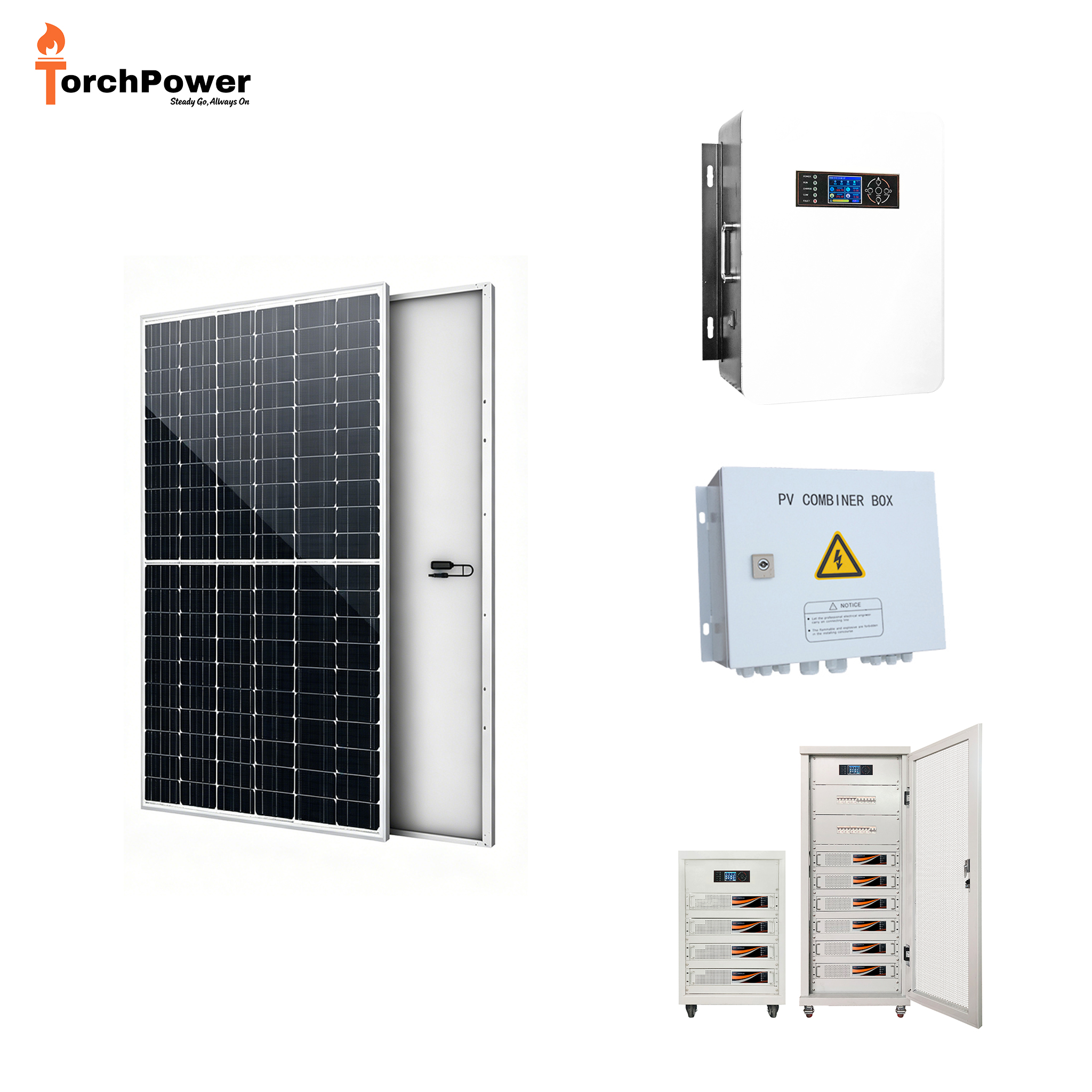
A:PV panels, grid-tie/hybrid inverter, mounting brackets, DC cables, AC cables, combiner box, breakers, grounding. Off-grid also needs batteries.
Q:What is the lifespan and warranty of PV panels?
A:Design life over 25 years. Warranty typically 10 years product + 25 years linear power output (first year ≤2%, then ≤0.55% per year).
Q:What factors affect power generation?
A:Sun hours, temperature, shading, orientation, dust, inverter efficiency, cable loss, etc. Regular cleaning and proper design improve output.
Q:What certifications are required?
A:Common: CE, IEC 61215, IEC 61730, UL 1703, etc. Grid-tie inverters must comply with local grid codes such as VDE and AS/NZS.
Q:What is the maintenance schedule?
A:Recommended: clean panels every 6 months, check brackets, cables, and connectors. Inspect inverter cooling and alarms every 6 months. Full inspection annually. Recommended: check battery voltage, temperature, and BMS alarms every 6 months. Perform capacity calibration and connection check annually.
Q:How do I choose the battery capacity?
A:Based on daily consumption, backup days, and depth of discharge. Formula: battery capacity (kWh) = daily consumption × backup days ÷ DoD ÷ inverter efficiency.
Q:What is the difference between LiFePO4 and NMC?
A:LiFePO4 is safer, has a longer cycle life (≥6000 cycles), and slightly lower energy density. NMC has higher energy density but lower safety and lifespan. LiFePO4 is recommended for storage.
Q:What is the cycle life of the battery?
A:LiFePO4 battery: ≥6000 cycles at 80% DoD, design life over 10 years.
Q:What are the functions of the BMS?
A:BMS handles cell balancing, overcharge/over-discharge protection, overcurrent/short circuit protection, temperature monitoring, SOC/SOH estimation, and CAN/RS485 communication.
Q:Can it work with solar, wind, and generators?
A:Yes. It can work with solar, wind, and diesel generators in a hybrid system, coordinated by a hybrid inverter and EMS for higher reliability.
Q:Why your price is higher than others?
A:Some competitors quote fake low prices to attract orders. When you receive the goods, you will find the unit fails to reach the rated power and does not match what you ordered. You will waste your money in the end. Please do not be misled by extremely low prices.