 EN
EN

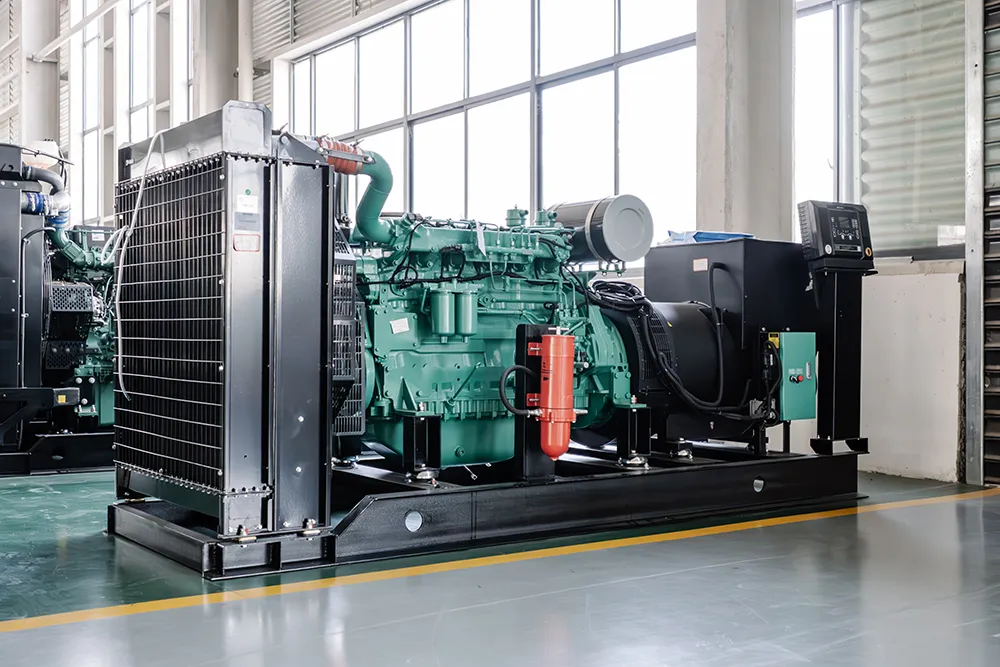
Specialized Power Architecture Across Industries
Industrial sectors do not follow a one-size-fits-all approach, and their backup power infrastructure shouldn’t either. A manufacturing facility, a remote mining site, and a high-tech healthcare facility each present entirely different operational demands, environmental challenges, and power load profiles. Choosing the correct industrial diesel generator requires a deep understanding of transient voltage responses, continuous versus standby ratings, and local environmental factors like altitude and ambient temperature. A mismatch between the generator specifications and the specific industrial environment can lead to inefficient fuel consumption, premature engine wear, or a complete system collapse during a critical power transition. Engineering teams must evaluate these diverse operational landscapes to deploy tailored power assets that safeguard productivity and human lives.
Remote Mining and Heavy Construction Environments
In remote mining operations and massive infrastructure development sites, the power grid is often completely non-existent. Here, diesel generators serve as the primary source of continuous power, running around the clock under extreme conditions. These environments are characterized by heavy airborne dust, extreme temperature swings, and highly volatile load demands from equipment like rock crushers, cranes, and heavy ventilation fans. Generators deployed in these settings require heavy-duty air filtration systems, rugged enclosures to protect internal components from physical impacts, and oversized fuel tanks to minimize refueling intervals. Experienced field engineers prioritize heavy-displacement engines that deliver high torque and can handle sudden, massive inductive load increases without experiencing significant voltage drops or frequency fluctuations.
Continuous Productivity in Manufacturing and Processing Plants
For heavy manufacturing, chemical processing, and automotive assembly lines, even a momentary power flicker can ruin entire batches of raw materials, damage expensive automated machinery, and cause massive financial losses. In these scenarios, diesel generators act as high-capacity standby units integrated with automatic transfer switches. The primary engineering focus here is ultra-fast startup times and seamless synchronization with existing facility distribution boards. Because manufacturing plants often operate complex electrical loads, including variable speed drives and large electric motors, the generator must feature an advanced digital voltage regulator. This prevents harmonic distortion from disrupting sensitive control systems, ensuring that factory automation continues running smoothly during an unexpected grid failure.
Strict Compliance and Reliability in Healthcare Facilities
In the healthcare sector, backup power is directly tied to patient survival. Hospitals and trauma centers require absolute reliability, meaning that emergency generators must start and accept full critical loads within ten seconds of a primary grid failure. The engineering standards for healthcare power systems are exceptionally strict, demanding redundant configurations and advanced acoustic enclosures to minimize noise pollution near patient care areas. Furthermore, the emission control systems must comply with rigorous urban environmental regulations. Power engineers designing these systems utilize sophisticated control modules capable of automatic parallel operation, allowing multiple generator units to synchronize and share the electrical load, which provides an extra layer of operational safety and system redundancy.
Agribusiness and Cold Chain Logistics Resiliency
Modern agricultural operations and massive cold chain logistics warehouses rely heavily on precise temperature regulation to preserve perishable goods and pharmaceutical products. A prolonged power outage at a refrigeration hub can result in millions of dollars of spoiled inventory. For these applications, diesel generators must offer extreme fuel efficiency and long continuous run times to endure extended grid blackouts caused by severe weather events. Smart remote monitoring capabilities are vital in this sector, allowing logistics managers to track fuel levels, engine temperature, and load status in real-time via mobile networks. This digital oversight ensures that any operational anomalies are detected and addressed before they threaten the integrity of the cold chain.
Advanced Power Systems by Torch Power Tech
Navigating the unique power requirements of diverse industrial landscapes demands an experienced manufacturing partner with deep technical expertise. Torch Power Tech designs and manufactures high-performance diesel generator sets engineered specifically to excel in challenging environments, from dusty extraction fields to high-precision processing facilities. Backed by an agile global supply chain and advanced production facilities, the company delivers tailored configuration options, including specialized weatherproofing, sound attenuation, and smart control systems. The underlying engineering focuses on structural durability and high thermal efficiency, ensuring that international clients receive dependable, low-emission power systems. Partnering with a dedicated industrial manufacturer allows global enterprises to secure their operational foundations and maintain continuous productivity worldwide.
Table of Contents
- Specialized Power Architecture Across Industries
- Remote Mining and Heavy Construction Environments
- Continuous Productivity in Manufacturing and Processing Plants
- Strict Compliance and Reliability in Healthcare Facilities
- Agribusiness and Cold Chain Logistics Resiliency
- Advanced Power Systems by Torch Power Tech
