 EN
EN

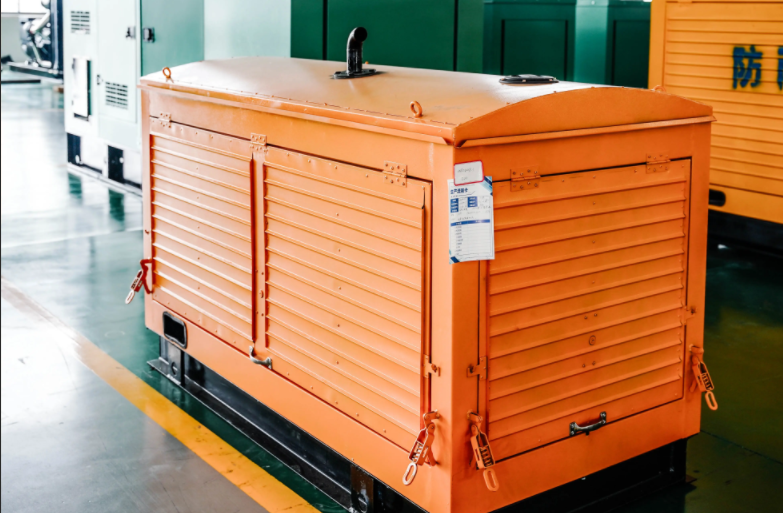
Essential Guide to Industrial Generator Maintenance
Industrial power generators are the heartbeat of manufacturing plants, medical facilities, and massive logistics hubs. When the main grid fails, these robust machines must kick in instantly to prevent catastrophic data loss, production downtime, or safety hazards. However, a generator is not a set-it-and-forget-it asset. Without a meticulous, structured maintenance routine, critical components like fuel injectors, cooling systems, and electrical alternators can fail when you need them most. Industrial facility managers often overlook the compounding effects of minor fluid degradation or small leaks, which eventually escalate into catastrophic engine failures. Implementing a proactive maintenance strategy ensures that your power infrastructure remains resilient, reliable, and ready to handle sudden load spikes at any given second.
Proactive Fuel System Optimization
The fuel system is arguably the most vulnerable part of an industrial diesel generator. Over time, diesel fuel stored in bulk tanks absorbs moisture from the air, leading to microbial growth, bacterial sludge, and fuel degradation. When this contaminated fuel reaches the engine, it clogs highly precise fuel injectors and damages fuel pumps. Technicians with years of field experience stress the critical importance of regular fuel testing and fuel polishing. This process filters out particulates and separates water from the fuel, ensuring clean combustion. Additionally, fuel filters must be replaced strictly according to operating hours or at least twice a year. Neglecting fuel quality is the primary reason standby generators fail to start during emergency grid blackouts, making fuel optimization a non-negotiable step in your maintenance checklist.
Advanced Cooling and Lubrication Management
Operating an industrial engine at high capacities generates extreme thermal energy that must be dissipated efficiently. The cooling system relies on a precise mix of coolant, a functional water pump, clear radiator cores, and intact belts. Scale buildup inside the radiator can restrict coolant flow, leading to rapid engine overheating and automatic emergency shutdowns. Simultaneously, the lubrication system prevents friction among heavy moving parts. Engine oil breaks down under high temperatures and loses its viscosity, which accelerates mechanical wear. Regular oil analysis is a powerful diagnostic tool used by seasoned engineers to detect internal engine wear early. By measuring the concentration of trace metals like iron or copper in the oil sample, facility managers can predict component failures long before they occur, scheduling repairs during planned maintenance windows rather than suffering unexpected downtime.
Electrical Component and Battery Diagnostics
While mechanical issues are common, electrical system failures are equally disruptive, with dead starter batteries being the single most frequent cause of generator startup failures. Even top-tier industrial batteries lose their charging capacity over time due to sulfation and temperature fluctuations. Regular maintenance must include measuring battery voltage, inspecting terminal connections for corrosion, and checking electrolyte levels. Beyond the battery, the alternator, voltage regulator, and control panels require close inspection. Loose wiring, worn brushes, or dust accumulation on circuit boards can cause voltage fluctuations that damage sensitive downstream industrial machinery. Ensuring that all electrical connections are clean, tight, and dry protects both the generator unit and the entire facility electrical distribution network.
Strategic Load Bank Testing and Safety Protocols
Running an industrial generator under light loads or no load at all can lead to a phenomenon known as wet stacking. This happens when unburnt fuel accumulates in the exhaust system, reducing engine efficiency and creating serious fire hazards. Experienced power engineers combat this by conducting annual load bank testing. A load bank artificially introduces a full electrical load to the generator, forcing the engine to reach its optimal operating temperature and fully burn off any accumulated carbon and fuel residue. This operational stress test proves the generator can actually handle its rated capacity during a real blackout. Documenting these tests and maintaining a clear, transparent service log not only guarantees operational readiness but also ensures full compliance with local industrial safety regulations.
Sustainable Engineering with Torch Power Tech
Developing a resilient power strategy requires a combination of elite machinery and dedicated maintenance expertise. Organizations that prioritize operational continuity understand that sourcing equipment from an experienced manufacturer makes a substantial difference in long-term reliability. Torch Power Tech excels in engineering highly dependable power solutions, supported by a robust global supply chain that guarantees the rapid availability of authentic replacement parts and specialized components. The manufacturing process utilizes heavy-duty components designed to withstand rigorous operating conditions, simplifying routine maintenance tasks for onsite engineering teams. By integrating advanced monitoring interfaces into their equipment, the brand helps global industrial partners minimize maintenance blind spots, streamline technical upkeep, and secure uninterrupted productivity under any external circumstances.
