 EN
EN

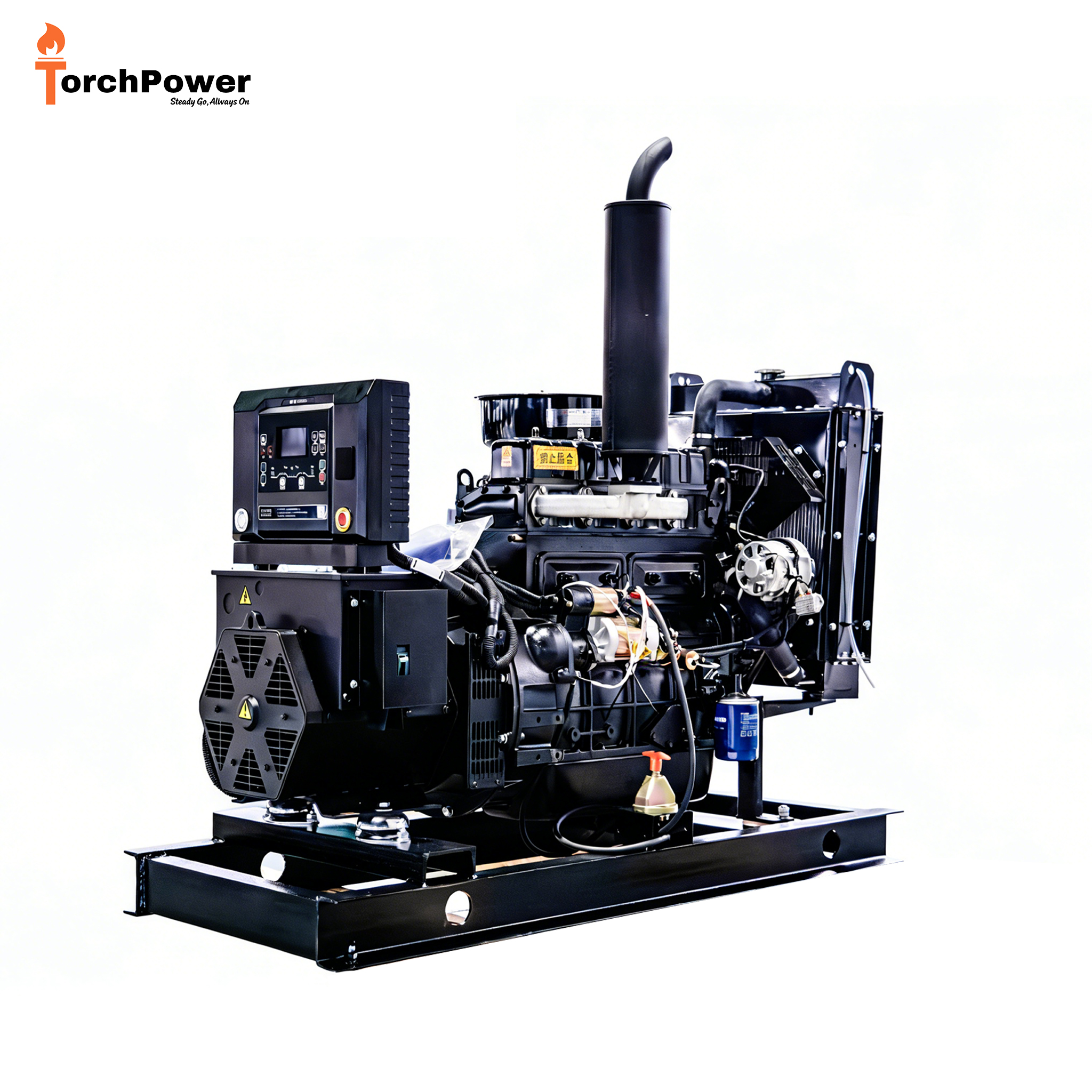
What it Takes to Maintain Generators for Home Use
As with any machine, you can expect the reliability of an emergency generator to increase with the frequency and quality of maintenance performed. We recommend weekly inspections in order to nip small problems in the bud. Many simple fixes can save you the cost and hassle of bigger problems. It is also best practice to clean the outside of the generator. Keeping the exterior clear of dust, debris, and leaves will minimize the chance of an airflow blockage that results in overheating problems. Look for leaks and drips of fuel, oil, and coolant around hoses and connections to the engine. All bolts should be tight and all wires and panels should be free of cracks and fraying. Performing maintenance will ensure your generator will operate at optimal levels.
Engine Oil and Filter Maintenance
Like any other engine, generators require proper lubrication in order to work efficiently and last a long time. The Portable Generator Manufacturers Association and other experts in the industry recommend a strict schedule for oil changes and filter replacements due to the importance from an engine performance and longevity standpoint. For most home standby units, oil and oil filter changes should be performed every six months or after 250 hours of operation, whichever event occurs first. Oil changes must be done with the oil that meets the requirements in the owner’s manual so that excess wear and tear does not occur. Drainage, as well as flow of the oil, is aided by warming the engine therefore, oil changes should always be performed after the engine has been warmed by running it for a short period of time. After the oil has been replaced, make sure that it is within the min and max marks on the dipstick.
Care for Your Battery Health and Charging System
Data collected from service technicians shows weakened or dead batteries are the majority cause of emergency generator startup failures. Battery maintenance is often overlooked by homeowners until the generator fails to start. Avoid this situation by checking the battery every month. Using a wire brush and baking soda/water solution clean the terminals of corrosion, then coat. If you have a conventional battery, check the electrolyte level and top up with distilled water, if necessary. Using a multimeter, a healthy 12V battery should have a voltage reading of 12.6V when fully charged. When batteries are well maintained, they can sit for months and still start instantly. This is valuable peace of mind during storms and during times of grid failure.
The Care of Fuel System and its Stability
There are several reasons why generators are poorly maintained over time, and these reasons can lead to problems of fuel degradation and fuel contamination. A fuel system of a generator can be made up of fuel injectors, fuel filters, and fuel lines. If these fuel systems are made up of gum deposits and these deposits are unchecked, problems can be created, As little as 3 months of time can lead to a fuel system to be made up of these deposits. Experts say the solution to such problems is to run the generator for a period of 20 to 30 minutes and to use a light load to allow for the circulation of a _fresh fuel_ and to allow for the problems to be _stale fuel_ to build up. The fuel filter and tank of the generator can be drained to eliminate the problems with water and sediments, and to keep the problems of sediment growth and water in check.
Seasonal Adjustments and the Cooling System
The cooling system is put in place so that the generator does not overheat and it keep it within the safety temperature. It is the coolant that needs to be used, and it is the cooling that needs to be used to ensure that the system is used to its fullest. The problems of the hoses and clamps can be solved by taking action and changing all the problems quickly. Other maintenance that is necessary, depending on the conditions, is to ensure that the generator has been protected from the leaves that are in the clipping of the generator. In summer, instead of winter- summer, the system has been improved, and changes have been made to the system.
Trusted Manufacturing Support and Long-Term Reliability
When you follow this yearly maintenance schedule, your home emergency generator will be ready for every outage and it will extend the lifespan of the unit. Many homeowners who follow a routine report a reliable performance for a decade or more. For those wanting industrial-grade generators for residential and light commercial use, durable backup power options are available with TorchPower. TorchPower units are a result of advanced engineering, modern manufacturing, and global support. They provide consistent output, superior starting, and optimum maintenance. With good maintenance and professional-grade equipment, you will have a reliable backup power system for every season. Caring for your generator will ensure you will always have power when your family needs it.
