 EN
EN
Understanding and Evaluating Industrial Power Generation Load Requirements and Patterns
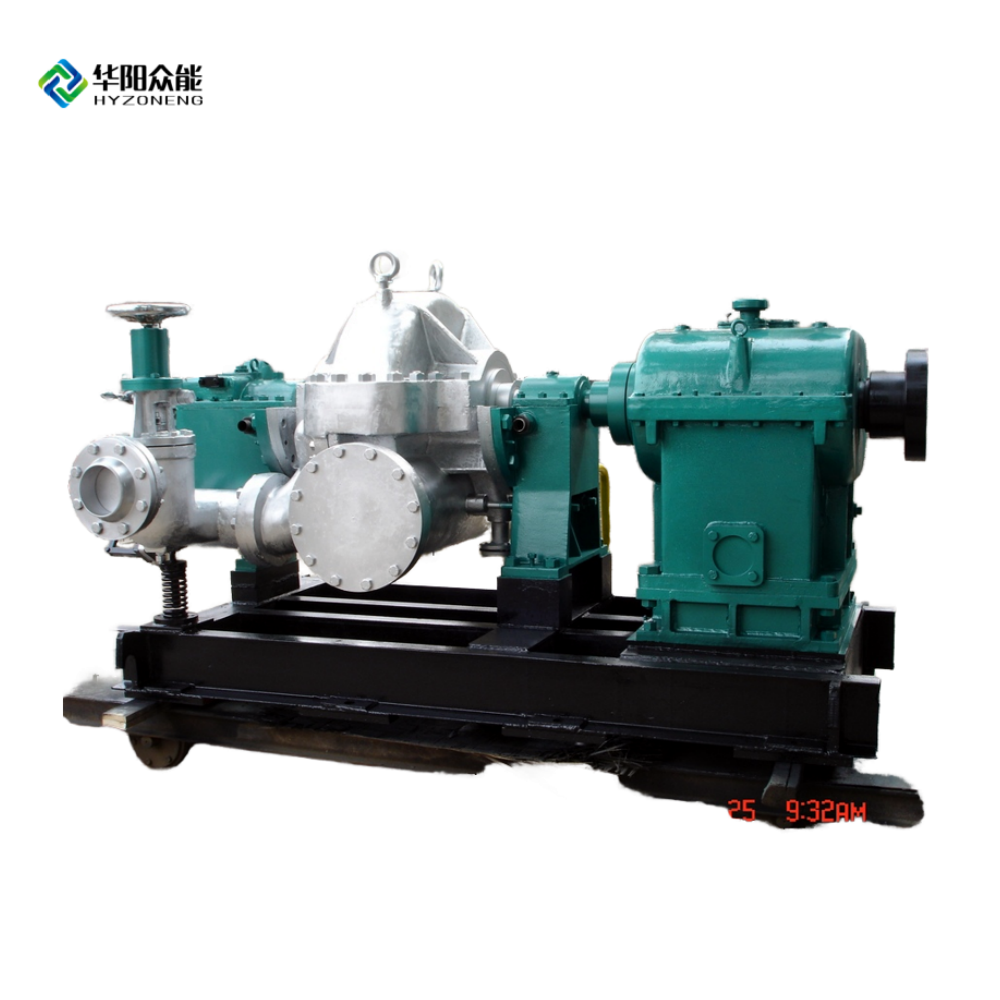
The first step in evaluating steam turbine options for industrial power generation is to identify the industrial power generation load requirements and load patterns. Different industrial power generation applications such as energy mining, and backup power for data centers, have varying loads including those with continuous and stable load and those with rapid and frequent load changes. In order to determine the final power, steam pressure, and steam temperature requirements for the appropriate steam turbine selection, the average load and the peak load of the respective production line must be established. Selecting a turbine with a higher than necessary power rating is inefficient and results in low load operation, and an undersized turbine will not meet the industrial production emergency power supply. It is of utmost importance to understand the load variations of the respective industrial operation and select the turbine capable of load adjustments to ensure production efficiency.Selecting Quality Materialsand Considering Energy Efficiency
Immediate focus on energy saving practices and techniques is pivotal
The efficiency and energy saving capabilities of steam turbines is primarily dependent on the materials used and the structure of the turbine. Different industry regulations necessitate the use of specific materials in the key components in steam turbines used in industrial power generation. For instance, the use of titanium alloys is highly favorable owing to the unique and advantageous properties of titanium alloys. Titanium alloys can significantly improve the energetic efficiency of fluid steam and withstand high centrifugal forces due to rapid rotational motion. The design of such turbines incorporates supercritical and ultra-supercritical steam techniques to enhance coal consumption efficiency and overall energy utilization. When and if you decide to employ such techniques, be sure to request the energy efficiency test report of the unit. The assessment on the actual operating thermal efficiency and steam utilization is critical. Ultimately, do not compromise on the selection of materials. Doing so would better improve the design and performance of the turbine.
Selection Based on Specific Industrial Application Case Studies
Selection of steam turbine models that align precisely with specific industrial contexts is imperative. For instance, in the African mining sector, the mining energy extraction steam turbine needs to be dustproof, shockproof, and able to withstand extreme environments. Additionally, the unit structure should be as simple as possible to enable easy on-site maintenance. In the case of industrial data center emergency power supply scenarios, steam turbines must have fast start capabilities and be able to operate at zero load to ensure uninterrupted power supply to the data center. In factory workshops with continuous production, steam turbines must be capable of continuous operation without failure. Different industrial scenarios have varying steam turbine operational requirements and only precise selection will ensure optimum performance of the unit.
Considering the Total Life Cycle Cost Beyond Initial Purchase
The purchase price for a steam turbine is a minor consideration of the total life cycle cost; therefore, the primary scientific selection criterion should be total cost of ownership, including operation and maintenance costs, as well as the cost of energy. In the industrial power generation sector, for steam turbine products with the same configuration, there could be a price variation of 10-15%. However, economically priced products could lead to expensive maintenance costs because of the use of cheaper, low-quality components. In selection, one needs to compute the annual energy consumption cost based on the unit's thermal efficiency, be familiar with the cycle and cost of replacement parts that are subject to wear and determine the unit's long term operation and maintenance costs. Additionally, the energy saving features of the unit should be considered, such as the waste heat recovery system, which will lower the daily cost of energy and enhance the overall economic efficiency of industrial production.
Check Authenticated Certification & Worldwide Support After Purchase
Trustworthy certification is the primary assurance of the quality of steam turbines, and thorough after-sales service is the primary assurance of the industry equipment continuous reliable operation. Formal steam turbine products should comply with the ISO9001 quality management system certification, the ISO14001 environmental management system certification and the CE international product certification. These certifications can be verified, and the buyer can avoid The purchase of counterfeit and shoddy products. For the industrial enterprises with a global production and operation layout, the global after-sales service network is especially vital. 7×24-hour on-site service and life-time tracking support are essential to solving, no matter where, the unit failure problems, to minimize the industrial production downtime losses, and to provide an essential safety shield for the power supply of the industrial enterprises.
Think About Personalization and Supply Chain Effectiveness
There are differing and unique scenarios when it comes to industrial production, power generation needs, and the ability to customize steam turbine products and the supply chain's efficiency are major considerations when deciding. Many industrial businesses require personalized designs and customized steam turbine parameters and structures based on the specifics of the production line layout and process. This means the vendor must have a high level of R&D and production personalization. Additionally, how quickly the supply chain can respond impacts the unit's delivery time and the delivery of subsequent parts. An efficient global supply network, combined with a good stock supply, can provide rapid unit delivery. Additionally, products can be shipped within seven days to accommodate customers with urgent power generation needs. A good supply chain can also prevent production downtime due to the lack of parts.
Table of Contents
- Understanding and Evaluating Industrial Power Generation Load Requirements and Patterns
- Immediate focus on energy saving practices and techniques is pivotal
- Selection Based on Specific Industrial Application Case Studies
- Considering the Total Life Cycle Cost Beyond Initial Purchase
- Check Authenticated Certification & Worldwide Support After Purchase
- Think About Personalization and Supply Chain Effectiveness
