EN
EN

do-you-know-these-hidden-risks-and-misleading-practices-from-diesel-generator-suppliers, do-you-know-these-hidden-risks-and-misleading-practices-from-diesel-generator-suppliers, /solutions
EN
A Practical Guide for Global Diesel Generator Buyers
When purchasing a diesel generator, most buyers expect to achieve the best balance between price, quality, and reliability. However, these three factors are closely connected. A high-quality diesel generator requires reliable components, professional manufacturing processes, strict quality control, and experienced engineering support. These factors naturally increase production costs.
In highly competitive markets, some suppliers attempt to win customers by offering extremely low prices. To achieve these prices, they may reduce manufacturing costs through hidden practices that customers cannot easily identify. Although the equipment may look similar externally, these cost-cutting practices can seriously affect generator performance, operating stability, service life, maintenance costs, power supply reliability, and operational safety.
For international buyers importing diesel generators, these risks become even more challenging. Once a low-quality generator is delivered overseas, solving quality disputes can be complicated due to transportation costs, communication barriers, technical verification difficulties, and limited after-sales support.
China has become one of the world's major diesel generator manufacturing bases, and many Chinese manufacturers now have advanced production capabilities and international quality standards. However, some suppliers still compete through low prices rather than product quality and engineering capability.
Therefore, understanding common supplier risks and knowing how to identify reliable diesel generator manufacturers are essential for every professional buyer.
One of the most difficult risks for buyers to identify is refurbished diesel generators being sold as brand-new equipment.
Some suppliers purchase generators, especially those previously used in rental projects, and refurbish them before selling them as new machines. The typical process may include cleaning the equipment, repainting the enclosure, replacing external parts, updating the appearance, and repackaging the generator.
After refurbishment, these generators may look almost identical to new units. However, internal components may already have significant operating hours and hidden wear. Without professional inspection, it can be extremely difficult to identify whether a generator is truly new.
Potential problems include:
• Reduced operating lifespan
• Higher failure probability
• Hidden engine or alternator problems
• Increased maintenance requirements
• Lack of original manufacturer warranty
For overseas customers, purchasing refurbished equipment as new can create significant financial losses. Buyers should request factory production records, engine and alternator serial number verification, test reports, manufacturing photos, and complete technical documentation whenever appropriate.
Another common problem in the diesel generator industry is unauthorized branding or counterfeit products.
Some suppliers may use non-original engines, alternators, or components and label them as products from famous international brands. For example, a generator may appear to use a well-known engine brand, but its nameplate, serial number, or component details may not match the original manufacturer's standards.
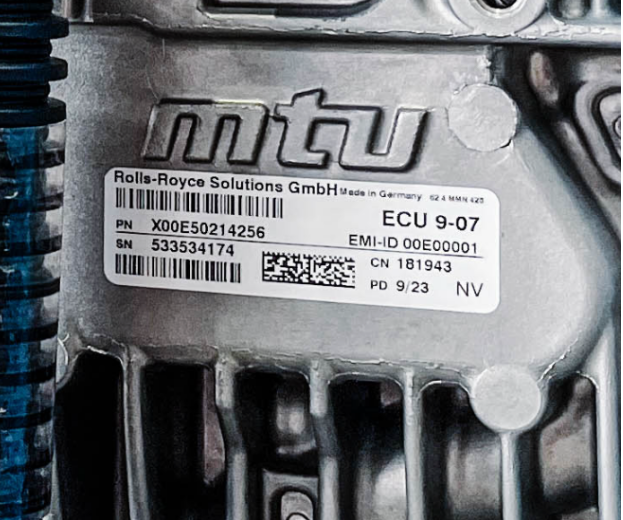
For example, one of our overseas customers purchased a diesel generator from China believing that it was equipped with a genuine MTU diesel engine. However, based on the nameplate shown in the photos they provided to us (as shown below), there were clear indications that the nameplate was counterfeit. The nameplate was poorly manufactured, and genuine MTU engine nameplates do not use the word “SILENT” in this way. In addition, the word on the nameplate was incorrectly displayed as “SIL ENT” rather than the complete word “SILENT.” In such cases, pursuing a warranty claim or seeking legal recourse can be extremely difficult, especially for international buyers.

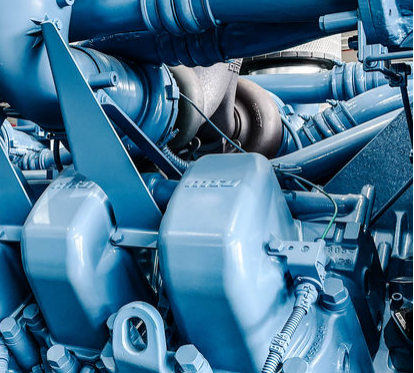
Genuine MTU engines feature a raised mtu logo on the engine body, as shown below.
Some suppliers may also purchase genuine components through some official channels and assemble them independently, then sell the finished generator under a brand name. Although some components may be genuine, unauthorized assembly does not guarantee the same quality as the original factory production process.
Risks include:
• No official manufacturer authorization
• No reliable warranty support
• Unstable long-term performance
A professional diesel generator supplier should provide transparent information about engine/generator origin, serial number verification, and factory testing reports.
The alternator is one of the most important components of a diesel generator because it directly affects electrical efficiency, output stability, and service life.
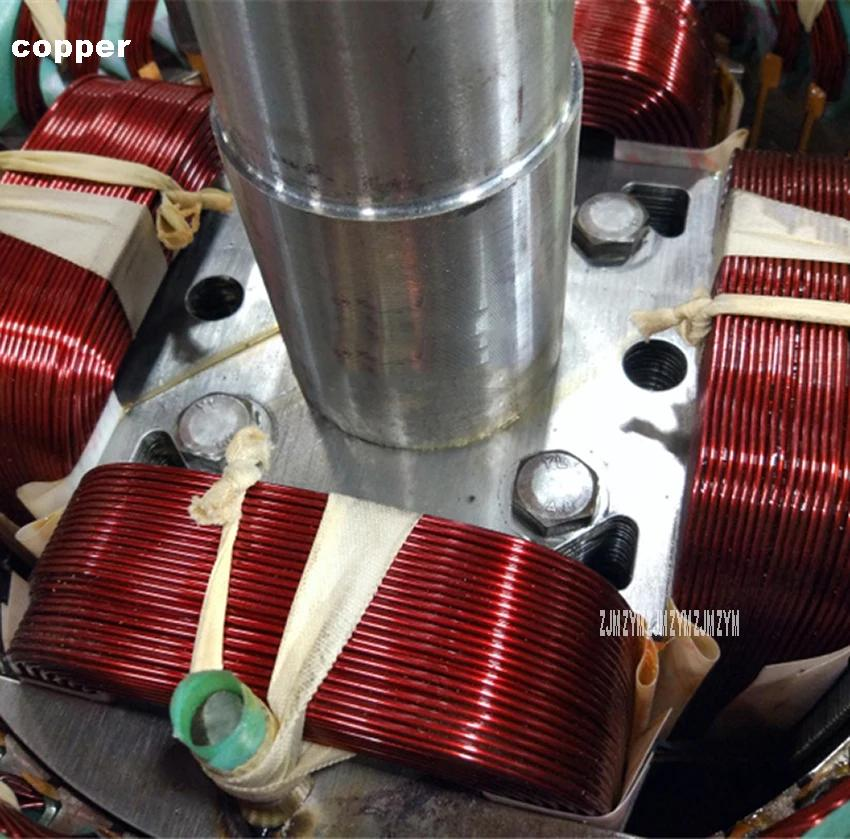
To reduce manufacturing costs, some manufacturers may use copper-clad aluminum windings or aluminum windings instead of pure copper windings while claiming the generator uses full copper construction.
Because the winding material is located inside the alternator, this problem usually cannot be identified through external appearance. Professional inspection or dismantling may be required.
Using lower-quality winding materials may result in:
• Lower power generation efficiency
• Higher operating temperature
• Reduced overload capability
• Poor heat dissipation
• Shorter generator lifespan
For applications requiring continuous and stable power supply, such as factories, construction projects, data centers, and critical facilities, alternator quality is especially important.
Some suppliers reduce costs by lowering the quality of certain components while keeping the overall appearance similar. Many buyers focus mainly on engine brand, generator power rating, and purchase price, but overlook details that affect long-term operation.
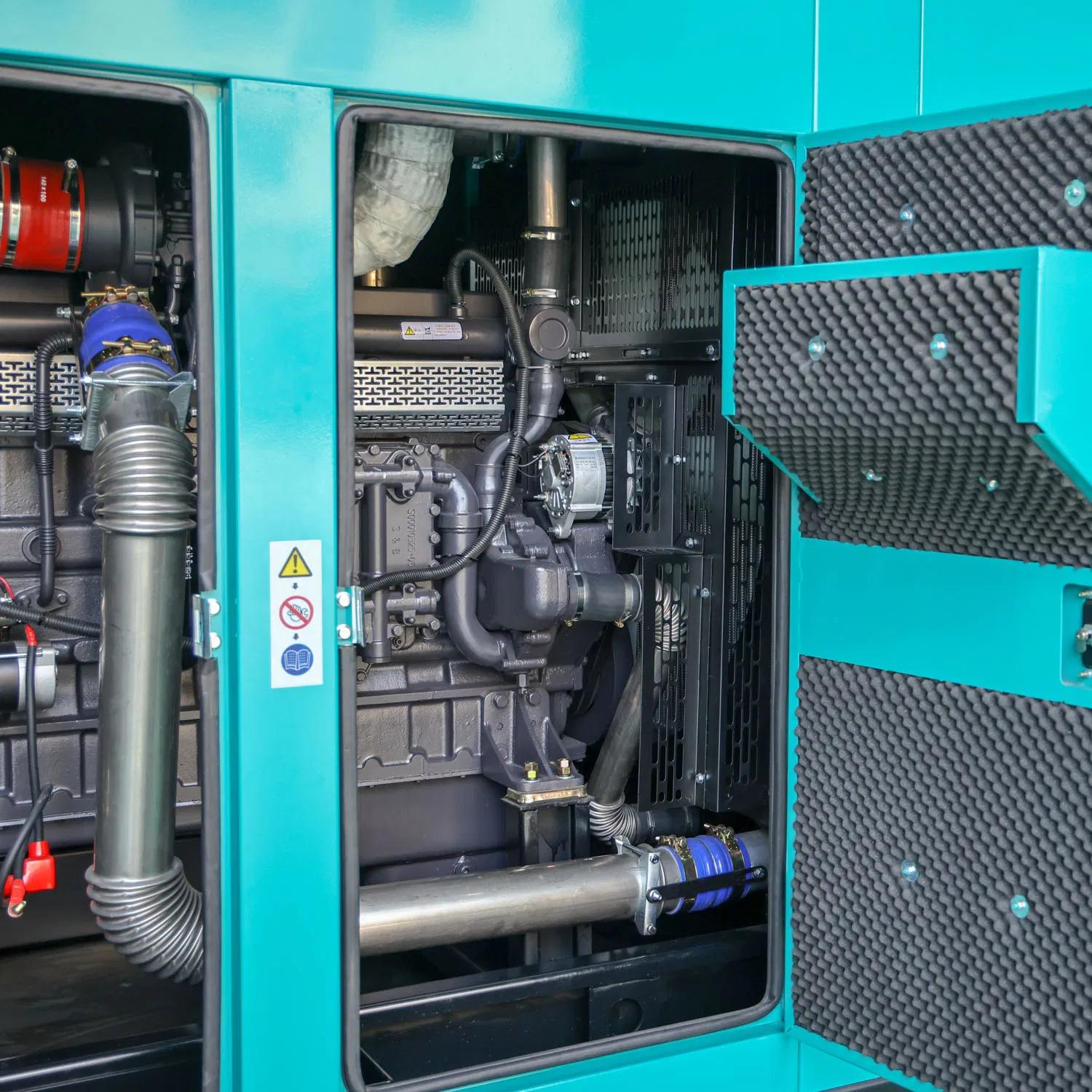
A typical example is the generator soundproof enclosure.
A high-quality silent generator canopy requires appropriate steel thickness, effective acoustic materials, proper ventilation, heat dissipation, corrosion protection, and maintenance accessibility.
Some low-cost suppliers may reduce costs by using thinner steel plates, poor-quality paint, smaller enclosure dimensions, or lower-grade soundproof materials.
This can cause:
Poor Noise Reduction Performance — The generator may fail to achieve the expected noise level, affecting applications in hospitals, hotels, residential areas, and commercial buildings.
Overheating Problems — Insufficient ventilation may lead to high operating temperature, automatic shutdown, reduced engine performance, and shortened component life.
Difficult Maintenance — Limited internal space can make maintenance operations more difficult and increase service costs.
Power rating is one of the most important specifications when selecting a diesel generator. However, some suppliers may use unclear definitions or misleading methods when quoting generator capacity.
1) Confusing kVA with kW
Customers usually need actual electrical output power (kW), but some suppliers quote apparent power (kVA).
The relationship is:
kW = kVA × Power Factor
For a standard power factor of 0.8:
100 kVA generator = approximately 80 kW output power
If a customer requires a 100 kW generator but receives a 100 kVA unit, the actual capacity may not meet the application requirements.
2) Using Engine Power Instead of Generator Output Power
Engine power is not equal to electrical output power. Some suppliers may quote engine power as generator capacity.
For example:
Engine power: 18.5 kW
Actual electrical output: approximately 12 kW
If the customer requires 18.5 kW output power, the actual capacity is significantly insufficient (lack 35%).
3) Confusing Prime Power and Standby Power
Diesel generators have different power ratings depending on operating conditions.
Prime Power: Designed for continuous operation.
Standby Power: Designed for emergency backup operation.
Typical relationship:
Prime Power 100 kW → Standby Power approximately 110 kW
Standby Power 100 kW → Prime Power approximately 91 kW
Some suppliers may quote standby power as prime power, causing customers to purchase a generator that cannot meet actual continuous load requirements.
4) Directly Overstating Generator Capacity
Some suppliers may simply claim a higher output capacity than the generator can actually provide. During operation, this can result in generator overload, voltage instability, unexpected shutdowns, equipment damage, and production losses.
A reliable diesel generator manufacturer should provide accurate power ratings according to the applicable standards and clearly distinguish between prime and standby ratings.
The first step to avoiding purchasing risks is understanding how to evaluate diesel generators.
Professional buyers should learn how to verify:
• Engine and alternator information
• Nameplate photo
• Component authenticity
• Market price range
An unusually low price is often a warning sign. A reliable diesel generator cannot be produced with high-quality components and professional manufacturing processes at an unrealistic cost.
Selecting the right supplier is the most important decision in diesel generator purchasing.
Before cooperation, buyers should evaluate:
Manufacturing Capability
• Factory facilities
• Production process
• Quality control system
• Testing equipment
Technical Capability
• Engineering experience
• Customized design capability
• Load analysis ability
• System integration capability
Market Reputation
• Successful projects
• Customer feedback
• International experience
Working with a comprehensive power solution provider offers additional advantages compared with purchasing only from an equipment seller.
A professional solution provider focuses not only on supplying generators but also on ensuring the entire power system meets customer requirements. They can provide correct generator selection, customized power solutions, cost optimization, installation guidance, technical support, and long-term reliability.
Purchasing a diesel generator is not simply buying a machine. It is choosing a reliable power solution that supports your business operation.
A professional diesel generator manufacturer should provide:
• Genuine and reliable components
• Strict quality control
• Accurate technical specifications
• Customized OEM solutions
• Professional engineering support
• Long-term after-sales service
At Torchpower, we focus on providing reliable diesel generator solutions for global customers. Through professional engineering capability and comprehensive power solution experience, we help customers select the right generator system based on their actual requirements.
Because reliable power begins with choosing the right partner.