 EN
EN
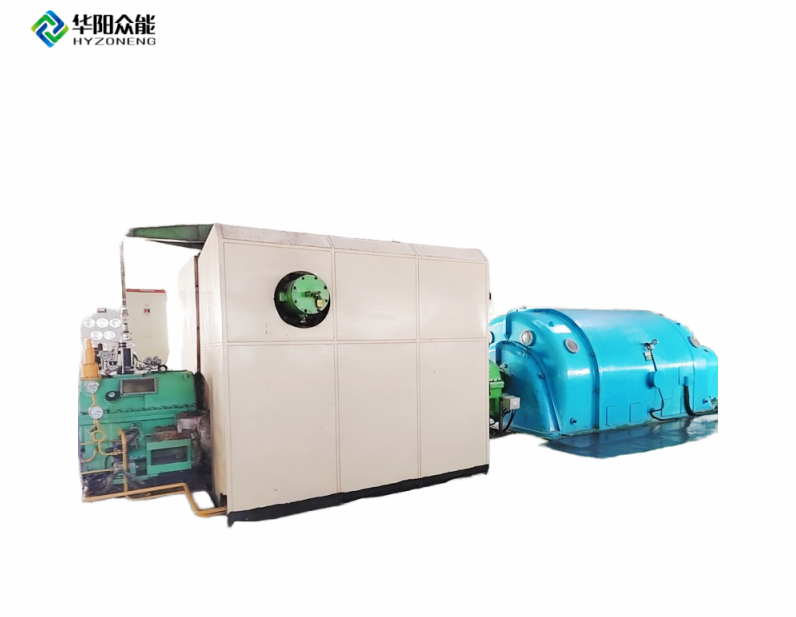
Advanced Energy Efficiency and Conversion Methods The industry continues to optimize and design advanced super critical steam turbine units. These units can achieve a remarkable 50%+ thermal efficiency when used to generate power. This means that when the main steam pressure is 35.5 MPa and inlet steam temperature is 631 degrees C, these units are more efficient when compared to other industry units. These units use advanced aerodynamic designs and higher efficiency supersonic blade profiles. These designs improve both steam flow and energy conversion. Additionally, these units use titanium alloy blade materials instead of traditional steel. These materials assist with the resistance to the high centrifugal forces caused by the high rotational speeds, which in turn promotes a greater degree of energy utilization. In large power generation projects, this efficiency advantage is greater than the increased amount of heat that is put in, which makes steam turbines the first choice among large power plants.
Steady Operation and Longevity
All steam turbines have one fundamental benefit: durability and steady performance. The advanced design, and overall quality in construction and assembly, is vital in addressing the ultimate challenge: an unending and reliable service operation at high loads. The large load fir tree blades, as well as, the variable gap ring dampening shrouds, aid in the protection and safety of the operational elements, and cores, even in the most adverse high load conditions. The International Standardization Organization (ISO) and applicable national standards such as ISO 9001 and ISO 16675, aid in the production quality, and maintenance, of the steam turbines, and, the standards summarized above, have practical application reliability, as large steam turbines have been observed to provide continuous operation and power (with the aid of a scheduled maintenance period) of more than 5 years as components of the high rotational components, have been engineered to provide an operational reliability of 122 MPa at 630 degrees for 100,000 cycles (this is a significant operational requirement for a large power generation operation). This level of reliability, is highly requisite, in providing an uninterrupted service for the generation of power for industrial processes and the sustenance of daily civilian operations of a society.
Environmental Protection And Low-carbon Emission Performance
Steam turbines have a variety of advantages when it comes to environmentally friendly power generation. They can play a part in helping the world achieve its aim of carbon neutrality. By utilizing highly developed ultra-supercritical steam technology, coal combustion can be reduced to 256.28 grams/kWh. Furthermore, a single million kW unit generates 945,000 tons/yr less CO2, while saving 350,000 tons of coal as compared to older technology. For industrial waste heat power generation, steam turbines combined with supercritical carbon dioxide technology yield an increase of more than 85% in waste heat utilization efficiency. There is enough data from a variety of industrial activities to determine the accepted performance of steam turbines. They have also met the ISO 14001 environmental management certification, allowing large-scale power generation solutions to align more closely with the worldwide green environmental protection advocacy.
Steam Turbines and the Cost Benefits of the Whole Life Cycle
When looking at the whole life cycle of large scale power generation projects, the steam turbines have a very positive cost impact. The positive impact of steam turbines is attributed to their high thermal efficiency and low equipment failure rates. As thermal efficiency increases, the amount of fuel powered used by a power plant is reduced, resulting in lower fuel costs. Also, because they require less maintenance, repair costs can be lower. Further, economically devastating impacts due to sudden equipment failure can be avoided. As an example, a 700 MW ultra-supercritical circulating fluidized bed boiler matching steam turbine unit can save about 175,000 tons of standard coal annually, and fuel costs to the power plant can be significant impacted. The industry also has a mature production and supply chain for steam turbines. In a positive impact, the production and supply chain consists of standardized component production and global after-sales service networks. This makes equipment delivery faster and lessens the operational and management costs associated with the equipment. Because of the longevity and fuel cost efficiency of steam turbines, large power generation investors can quickly recoup their initial investment.
Strong Flexibility Across Various Situations
One of the key reasons steam turbines are widely used in the power sector is their flexibility to meet the varying requirements of large scale power generation in different situations. In addition to being the principal component of large thermal power generation plants, they can also be integrated with nuclear power systems to provide industrial bases with zero-carbon steam and power supply, thereby achieving the holistic use of nuclear energy. In energy extraction in the mining sector, large scale industrial and municipal energy facilities, and large scale municipal integrated steam turbine systems, steam turbines can be configured in a flexible manner to align with the actual power load requirements and further enhance the overall power generation efficiency when used in conjunction with gas-powered generator sets. The industry has been able to develop completely customized production and service systems to meet the varying power generation demands of different regions and adapt to the large-scale project energy supply needs of varying cultural and economic regions, including rapid provision of stock and customized power steam turbine systems.
