 EN
EN

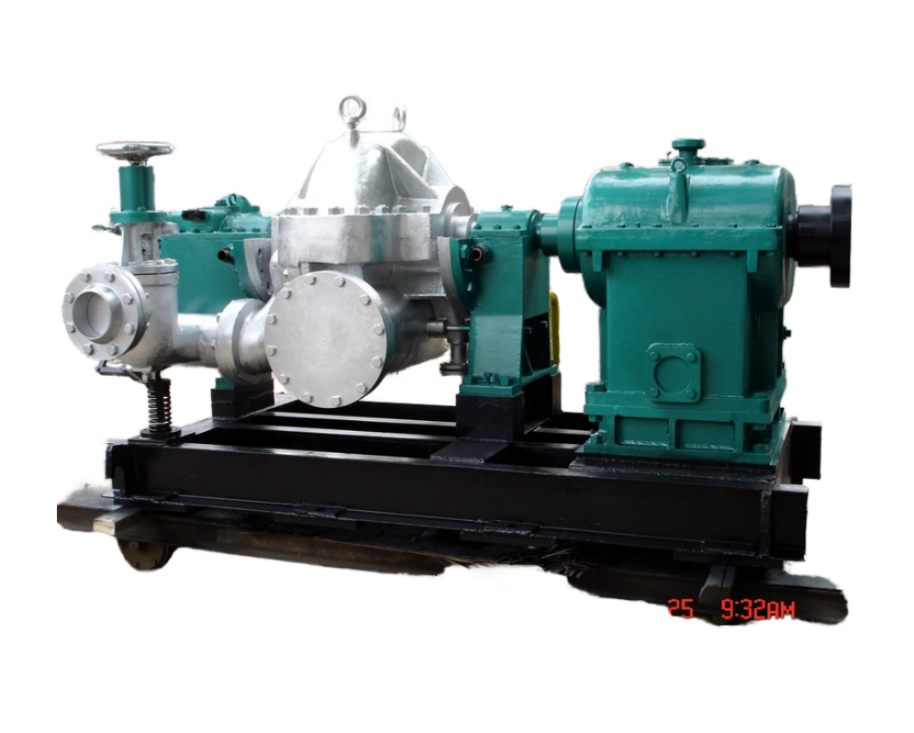
Уурхай турбины урт хугацааны ажиллахын тулд үйлдлүүдийн протоколуудыг овладоо
Уурхай турбины урт хугацааны тасралтгүй ажиллах чадварыг хангах нь зөвхөн заавар ажиллуулахад хүрэлцэхгүй; үүнд механик хариуцлагын нарийн, өгөгдлүүд дээр суурилсан соёл бүтээх шаардлагатай. Хүнд үйлдвэрлэлд тус турбины машинууд нь цахилгаан генератор ба технологийн станцүүдийн цогцис болойн үүрэг гүйцэтгэнэ. Ажиллах үед турбинд илрүүлсэн хазайлт — жишээ нь бага хөдөлгөөн эсвэл бага дулаан тэнцвэрт бүүрхүүлт — том масштабын сүйрэлд хүргэж, хомхой хонгор хохиргоо үүсгэж чадна. Түүний найдвартай бүтэц нь турбинд өдөртөн үзүүрлэдэг нарийн дулаан-динамик ба механик хүчнүүдийн гүнзгий ойлголтод үндэслэнэ. Урт хугацааны ажиллах чадварын нууц нь аварга ажиллаж буй турбинд хийгдэж буй зөвхөн урьдчилан саархуулж буй засварын тактикт хүртэл бүх л хувиргагч, тулгуур ба хуурын бүтцийн хамгаалалтыг хамтран хангах урьдчилан таамаглаж буй засварын стратегид шилжинхүртэл оршино.
Дэвшилтэт тослол ба шингэн динамика удирдлага
Ямар ч буурын турбинны амьсгал нь түүний тосолгооны систем юм. Тосолгооны тосны цэвэр, тэсвэртэй байдал, химийн тэнцвэрийг хадгалах нь урт хугацааны хөдөлмөрийн циклийг хангах хамгийн чухал техник ажил юм. Хэт хурдтай хөдөлгөөнд оролцох нь ч гэсэн микроскопийн жижигхэн цүнхүүд нь их хурдтай хөдөлгөөнд оролцох нь ч гэсэн, хурдацтай хувцаслагдах, халдвар авах боломжийг бий болгодог. Тоосны шинжилгээний нарийн хөтөлбөрийг хэрэгжүүлж, металлын агууламж, хүчилжилтийн түвшин, ургамлын агууламжийг хянахэд анхаардаг. Түүнчлэн, хатуужуулалтын системүүд, ялангуяа лабиринтын хатуужуулалтын системүүд тодорхойлогдсон дутагдалтайгаар ажилладаг эсэх нь үр ашгийг хамгийн ихээр нэмэгдүүлэх, дотоод утааны урсгалыг урьдчилан сэргийлэхэд чухал ач холбогдолтой. Өндөр дэвшилтэт инженерчлэл нь энэ усан хөдөлгөөнийг нарийвчлалтай удирдах нь хэдэн арван жил үргэлжилсэн турбин, ихээхэн өртөгтэй, ихээхэн засвар хийх шаардлагатай турбин хоёрыг ялгаруулдаг.
Урьдчилсан шинжилгээ, нөхцөлд суурилсан засварын мэдээ
Эрчим хүчний станц дахь бодит туршлагаас уламжлал болгон харуулж байгаагаар орчин үеийн мэдрэгч технологи нь зогсонги цаг хугацааг хамгаалах хамгийн сайн арга юм. Өндөр давтамжийн сүрдэл хяналт, бодит цаг үеийн дулааны зургийг турбингийн удирдлагын бүтэцэд нэгтгэн, ажилчид нь нүцгэн нүдээр харагдахгүй үзэгдлийг олж илрүүлнэ. Жишээ нь, эхлэх үеэр шотын эксцентрицитэд хөнгөн өөрчлөлт орсон бол роторын тэнцвэргүйдэл үүсэхээс өмнө урьдчилан сэргийлэх зохицуулалт хийх боломжтой. Байршил дээр суурилсан засварын загварт шилжих нь багдад шаардлагатай биш эсвэл эсрэгээр хэтэрхий хоцрох байж болох хатуу, календард суурилсан хуваарийг баримталдаггүйгээр, мэдээллээр боломжит зөрчил илэрсэн үедээ нарийвчлан оролцох боломжийг олгодог. Тоног төхөөрөмжийн эрүүл мэндийн менежментийн энэ нарийн арга нь турбин нь үйл ажиллагааны үр ашгийн "самар цэг"-т бүх хугацаанд нь үлдэхээ баталгаажуулдаг.
Дэлхийн аюулгүй байдал, үр ашигтай байдлын дээд стандартт нийцүүлэн ажиллах
Дэлхийн үйлдвэрлэлийн найдвартай байдал нь Америкийн механик инженерүүдийн нийгэмлэг (ASME) болон Олон улсын цахилгаан техникын комисс (IEC) зэрэг байгууллагуудын тогтоосон стандартыг хатуу дагаж мөрдөхөд суурилсан. Эдгээр хүрээ нь зөвхөн зохицуулалтын саад бэрхшээл биш, харин их хүнд хэцүү инженерчлэлийн мэргэн ухааны үр дүн юм. Бөмбөгний эрсдэлээс эхлэн роторын байршуулал хүртэлх бүх засварын үйл ажиллагаа эдгээр үзүүлэлттэй нийцсэн байх нь тоног төхөөрөмж нь зориулагдсан аюулгүй байдлын хүрээнд ажилладаг болохыг баталгаажуулдаг. Түүнчлэн, даатгалын үйл ажиллагааны биелэлт, үйл ажиллагааны ил тод байдлыг хангахын тулд бүх засварын үйл ажиллагааны нарийвчилсан, ил тод бүртгэлтэй байх нь чухал ач холбогдолтой. Дэлхийн хэмжээнд хүлээн зөвшөөрөгдсөн эдгээр үзүүлэлтүүдээр тохирсон техник хэрэгслийг засварлахдаа дулааны үр ашиг нь хадгалагдаж, ажилчдыг хамгаалах, үйлдвэрлэлийн осолтой холбоотой хууль ёсны болон санхүүгийн эрсдлийг багасгах боломжтой.
Амьдралын цикл дахь хөрөнгийн менежментийн санхүүгийн логик
Турбины өндөр түвшний засварын эдийн засгийн үр дүн нь нэг удаагийн засварын зардлыг зайлуулахгаас илүү юм. Энэ нь эзэмших нийт өртөг (TCO) -ийн талаарх стратегийн тооцоо юм. Өргөдлийн эргэлтийг тогтворжуулах, гэрээний нийлүүлэлтийн үүргээ биелүүлэхэд чухал ач холбогдолтой гэнэтийн саадгүйгээр тасралтгүй ажилладаг турбин урьдчилан таамаглах хүчин чадлыг өгдөг. Хамгийн шилдэг бүрэлдэхүүн хэсэг, мэргэжлийн засварын протоколд хөрөнгө оруулалт хийхээр компаниуд онцгой байдлын цаг хугацаа, үр ашиггүй, хангамжийн сүлжээний саад бэрхшээлтэй удирдлагын үр дүнгээс хамгаалах боломжтой. Урт хугацааны тасралтгүй үйл ажиллагаа нь үндсэндээ хөрөнгийн үнэ цэнийг хадгалах үүрэг. Энэ нь турбин нь үнэ буурч, өндөр засвар үйлчилгээтэй ачаалалтай байсан бол компанийн урт хугацааны ашигтай байдлыг тогтмол дэмжих өндөр найдвартай, өндөр үр өгөөжтэй хөрөнгө болж хувиргадаг.
Үйл ажиллагааны тасралтгүй байдлыг хангахын тулд нарийвчлалтай үйлдвэрлэлийг ашиглах
Агаарын турбин системийн бүрэн найдвартай байдлыг хангахын тулд нарийвчлалтай үйлдвэрлэл, урт хугацааны удаан эдэлгээг эзэмшдэг нэгдэлтэй хамтран ажиллах шаардлагатай. Энэ нь өндөр хүчин чадалтай элсэлтийн бүрэлдэхүүнийг худалдан авах эсвэл одоогийн дэд бүтцэд төгс тохирох бат бөх модуль солилцоо хийх эсэхээс үл хамааран найдвартай техникийн түнштэй байх нь зайлшгүй шаардлагатай. Zhongyu Torchpower нь энэ үйлдвэрлэлийн орчинд онцгой байр суурь эзэлдэг бөгөөд үл үл тохирсон үйлдвэрлэлийн нарийвчлал, түвшний нэгдсэн нийлүүлэлтийн зангилааг бүрдүүлэн, бүх чухал эд анги нь хамгийн хатуу удаан эдэлгээний стандартад нийцэх байдлыг хангадаг Өндөр дэвшилтэт үйлдвэрлэлийн технологийг ашиглаж, чанар хамгийн түрүүнд инженерчлэл хийхэд зориулсан үүрэг гүйцэтгэгч Zhongyu Torchpower нь аж үйлдвэрийн ажилтнуудыг тоног төхөөрөмжөө өөртөө итгэлтэй хадгалах боломжийг олгодог бөгөөд тэдний эрчим хүчний үйлдвэрлэлийн үндэс нь г
Table of Contents
- Уурхай турбины урт хугацааны ажиллахын тулд үйлдлүүдийн протоколуудыг овладоо
- Дэвшилтэт тослол ба шингэн динамика удирдлага
- Урьдчилсан шинжилгээ, нөхцөлд суурилсан засварын мэдээ
- Дэлхийн аюулгүй байдал, үр ашигтай байдлын дээд стандартт нийцүүлэн ажиллах
- Амьдралын цикл дахь хөрөнгийн менежментийн санхүүгийн логик
- Үйл ажиллагааны тасралтгүй байдлыг хангахын тулд нарийвчлалтай үйлдвэрлэлийг ашиглах
